
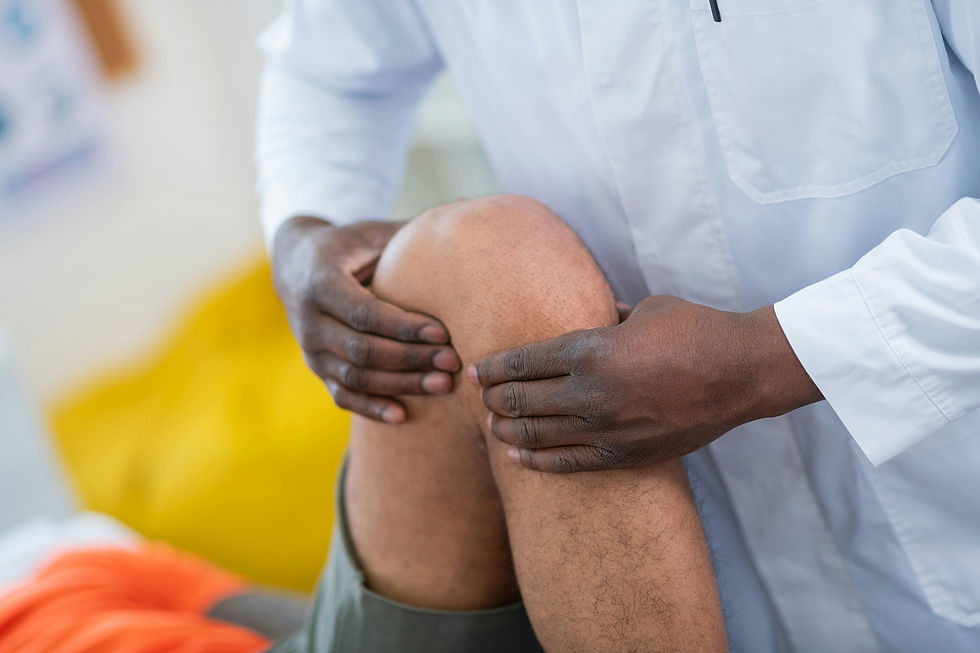
Surgical Recovery & Prehabilitation Auckland
Preparing well for surgery and recovering confidently afterwards.
Surgery is often viewed as a single event.
In reality, recovery begins long before entering the operating theatre.
Whether you are preparing for a knee replacement, rotator cuff repair, ACL reconstruction, total hip replacement or another orthopaedic procedure, your physical capacity, confidence, strength, and overall health entering surgery can significantly influence what happens afterwards.
Likewise, the weeks and months following surgery represent far more than simply waiting for tissues to heal.
Recovery is a process.
At Movement Mechanics Osteopathy, we work with people both before and after surgery to help optimise recovery, improve function and support a confident return to the activities that matter most.


Recovery Starts Before Surgery
One of the biggest misconceptions surrounding surgery is that rehabilitation begins after the procedure.
Modern evidence suggests otherwise.
The concept of prehabilitation, often shortened to prehab, refers to improving physical function, strength, mobility, education, and overall health before surgery to enhance postoperative outcomes. Systematic reviews and meta-analyses have demonstrated that prehabilitation may improve preoperative function, muscle strength, quality of life and postoperative recovery across a range of orthopaedic procedures.
The goal is simple:
Enter surgery as prepared as possible.

What Is Prehabilitation?
Prehabilitation is a proactive approach designed to prepare the body and mind for the physiological demands of surgery.
Depending on the individual and procedure, prehabilitation may include:
-
Improving strength.
-
Restoring mobility.
-
Enhancing cardiovascular fitness.
-
Reducing unnecessary movement restrictions.
-
Education around the surgical journey.
-
Managing expectations.
-
Building confidence before surgery.
Evidence suggests that patients who participate in structured prehabilitation programmes may experience improvements in function and muscle strength, and a reduced hospital length of stay following a number of orthopaedic procedures.

Why Preparation Matters
Surgery places significant demands on the body.
People entering surgery with reduced strength, deconditioning, poor movement confidence or significant functional limitation often have a smaller physiological reserve from which to recover.
-
Preparing beforehand may help patients:
-
Move more confidently after surgery.
-
Regain function more efficiently.
-
Maintain muscle strength.
-
Improve quality of life.
-
Better understand the rehabilitation process.
-
Reduce fear surrounding movement and recovery.
Contemporary prehabilitation research increasingly supports the idea that recovery should begin before the first incision is ever made.
Common Surgical Procedures We Commonly Support
Movement Mechanics commonly works alongside patients preparing for or recovering from:
Optimising strength, mobility, swelling management and confidence before and after surgery.


Osteopathy Before And After Surgery
Every surgical journey is different.
Some people require support in preparing physically and mentally for surgery.
Others seek help because recovery has not progressed as expected.
Osteopathic care may help patients better understand their recovery, improve movement confidence, and address musculoskeletal impairments that contribute to ongoing functional limitations. Assessment may include:
-
Functional testing.
-
Strength assessment.
-
Mobility assessment.
-
Rehabilitation planning.
Guidance around returning to work, exercise or sport.
The emphasis is always placed on working collaboratively alongside your surgeon’s recommendations and postoperative protocols.

High-Power Laser Therapy Following Surgery
Photobiomodulation, commonly referred to as laser therapy, has attracted increasing attention within postoperative rehabilitation.
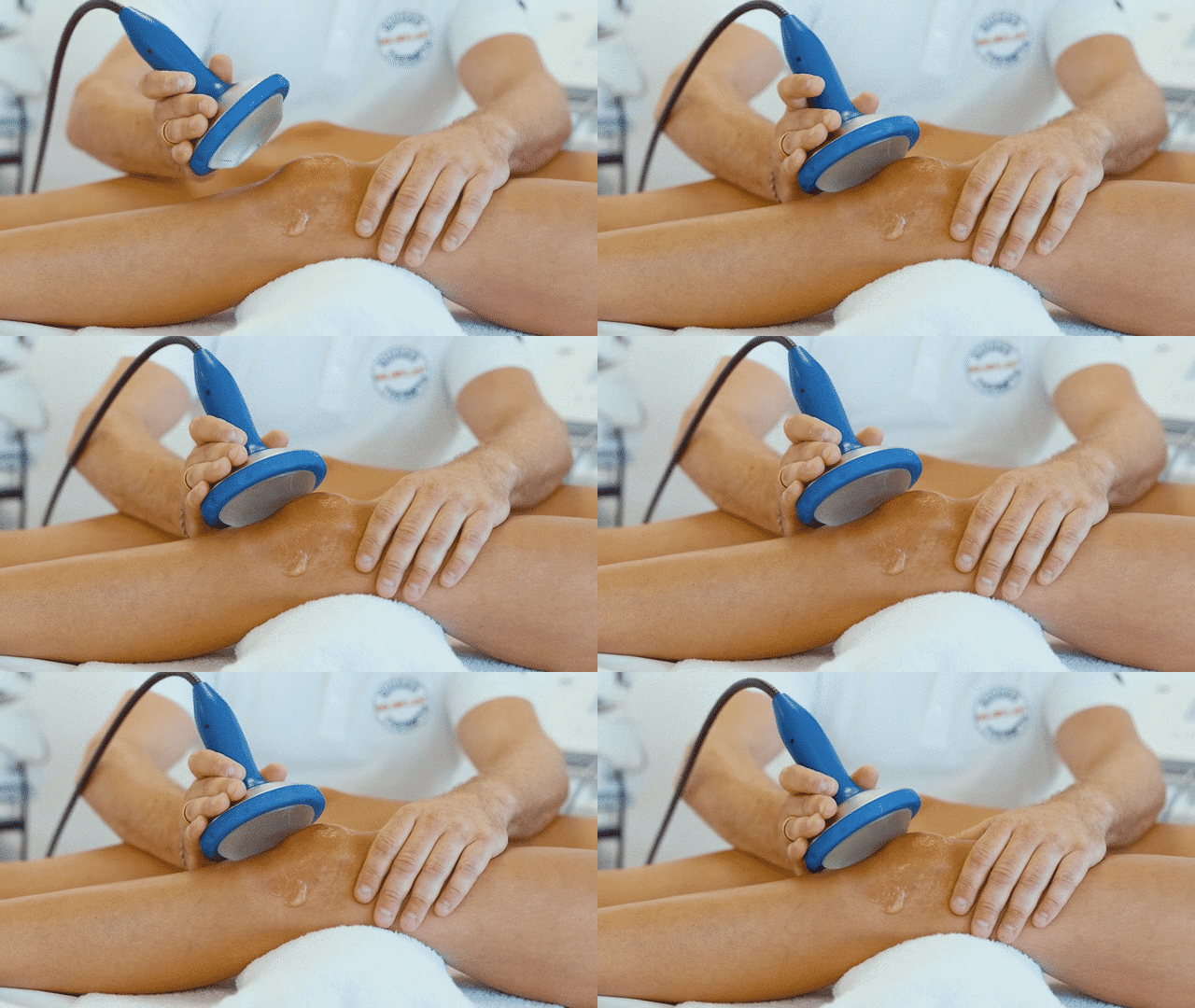
Research investigating photobiomodulation following orthopaedic surgery suggests it may help reduce postoperative pain, swelling, opioid consumption and improve early functional recovery in selected populations. High-quality evidence exists particularly following total knee arthroplasty.
At Movement Mechanics, EMS DolorClast® High-Power Laser Therapy may be considered where clinically appropriate as part of a broader postoperative management strategy. Potential goals may include:
-
Supporting early movement.
-
Helping manage postoperative swelling.
-
Improving comfort.
-
Facilitating rehabilitation participation.
-
Supporting tissue healing processes.
Importantly, laser therapy is never viewed as a substitute for appropriate rehabilitation.
It is integrated within a comprehensive recovery plan.

Where Shockwave Therapy May Fit After Surgery
Shockwave therapy is not routinely indicated immediately following surgery.
However, there are circumstances later in recovery where shockwave therapy may be considered.
Examples may include:
-
Persistent tendon pain following tendon repair.
-
Post-surgical hematoma.
-
Delayed recovery in selected chronic tendon presentations.
-
Persistent scar-related dysfunction.
-
Long-standing postoperative tendinopathy.
-
Calcific pathology remaining after surgery.
At Movement Mechanics, EMS DolorClast® Focused and Radial Shockwave Therapy are used selectively and only following appropriate assessment.
The decision is always guided by tissue healing timelines, surgical protocols, and the specific presentation, rather than by applying a standardised approach to every patient.

Recovery Is More Than Tissue Healing
Successful surgical outcomes are rarely determined by tissue healing alone.
Confidence matters.
Strength matters.
Movement matters™.
Understanding what to expect matters.
Many people recovering from surgery experience uncertainty around:
-
How much activity is safe?
-
Whether symptoms are normal.
-
When they can return to exercise.
-
How quickly progress should occur.
Part of rehabilitation is helping people navigate those questions with greater confidence.
Didn’t find the answer you were looking for? We are here to help. Below are some common questions we receive.
Preparing For Surgery Or Recovering Afterwards?
Whether you are preparing for an upcoming operation, navigating the early stages of recovery or simply concerned that progress has stalled, understanding where you are in the recovery journey is often the first step.
Movement Mechanics Osteopathy works with patients across Auckland seeking evidence-based support before and after orthopaedic surgery.
