

Auckland Shockwave Therapy Specialists. BOOK NOW
Plantar fasciitis
treatment Auckland
Persistent heel pain treatment for people tired of limping through mornings, workouts, workdays, and long periods on their feet.
Plantar fasciitis can become incredibly frustrating.
For many people, it starts as:
-
soreness getting out of bed
-
tightness after sitting
-
discomfort during walks or runs
…but gradually becomes something that affects:
-
exercise
-
work
-
daily activity
-
confidence in movement
At Movement Mechanics Osteopathy in Browns Bay, we help people with persistent plantar heel pain using a combination of:
-
Rehabilitation and load management
The goal is not simply to “calm symptoms down” temporarily; it is to improve the way your foot and lower limb tolerate load so the problem stops repeatedly flaring up.
What is plantar fasciitis?
Plantar fasciitis is the most common cause of plantar heel pain, accounting for approximately 11-15% of foot symptoms presented to healthcare providers. The main symptom is heel pain, particularly in the morning or after a period of rest. Often, patients report improvement in pain after walking. Pain is usually located at the origin of the plantar fascia, your heel (medial calcaneal tubercle). Passive dorsiflexion of the toes may aggravate the pain in some patients, particularly if you suffer from chronic Plantar Fasciitis. It is not uncommon for those suffering from chronic Plantar Fasciitis to also experience heel pad swelling.


Why Plantar Fasciitis Often Hurts Most in the Morning
A classic sign of plantar fasciitis is sharp pain with the first few steps out of bed.
Overnight, the plantar fascia shortens slightly while unloaded. When you suddenly place weight through the foot in the morning, the irritated tissue is rapidly tensioned again, creating that familiar sharp or stabbing sensation.
Many people notice symptoms improve slightly as they “warm up,” only to flare again later in the day after prolonged standing, walking, or exercise.

Why Some Cases Never Fully Settle
One reason plantar fasciitis becomes chronic is that the painful tissue is rarely the only issue involved.
We often see contributing factors such as:
-
stiff ankles
-
overloaded calves
-
reduced big toe mobility
-
sudden increases in walking or running
-
standing on hard surfaces for long hours
-
poor recovery capacity
-
weakness through the foot and lower limb
This means rest alone often only provides temporary relief.
If the foot returns to the same loading pattern without improving tissue capacity, symptoms commonly return again.

How We Approach Plantar Fasciitis Treatment
Early treatment often focuses on reducing pain sensitivity and improving how much load the plantar fascia can comfortably tolerate.
This may include:
-
activity modification
-
calf and foot treatment
-
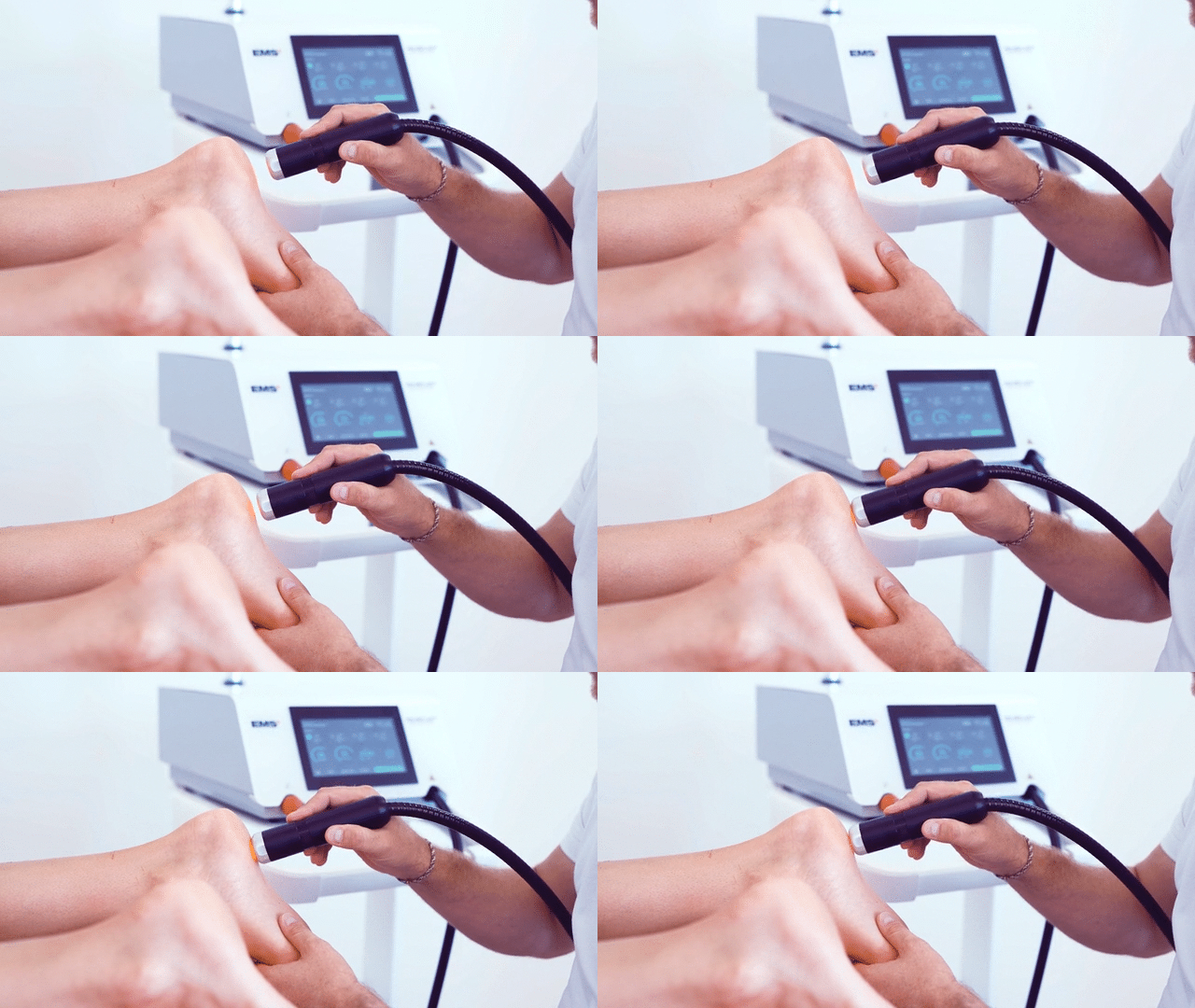
shockwave therapy
-
laser therapy
-
taping or temporary unloading strategies


Common Things Patients Tell Us Before They Book
“I’ve tried stretching for months.”
“I can’t walk barefoot anymore.”
“It settles down, then comes straight back.”
“I’ve already tried orthotics and physio.”
“I stopped running because of it.”
If that sounds familiar, you are not alone.
Persistent plantar fasciitis often requires a more comprehensive approach than isolated stretching or short-term rest alone.
How Long Does Recovery Take?
Recovery depends on:
-
symptom duration
-
irritability
-
activity demands
-
tissue capacity
-
underlying biomechanics
Some people improve quickly within a few sessions, while more persistent cases may require a longer rehabilitation process.
Our goal is to:
-
reduce pain
-
improve function
-
progressively restore confidence in loading and movement
not create dependency on ongoing passive treatment.

Didn’t find the answer you were looking for? We are here to help. Below are some common questions we get about plantar fasciitis, osteopathy, shockwave therapy, high-power laser therapy, ACC claims, and Southern Cross cover.