

High-Power Laser Therapy for Recovery, Pain Modulation & Musculoskeletal Rehabilitation
Not all musculoskeletal injuries behave the same way.
Some tissues become acutely irritated following a recent strain, an overload event, or a sporting injury. Others gradually become more reactive, more sensitive, or slower to recover over time despite rest, treatment, or modified activity.
At Movement Mechanics Osteopathy in Browns Bay, high-power laser therapy is integrated within a broader rehabilitation-focused approach to musculoskeletal care.
Using EMS DolorClast® High Power Laser Therapy alongside osteopathy, shockwave therapy, rehabilitation and medical acupuncture, treatment is designed to support tissue recovery while helping people move more comfortably and confidently through work, exercise, sport and everyday life again.
One of the advantages of laser therapy is that it can often be used for both acute and longer-standing presentations, particularly when tissues remain highly reactive, irritated, or sensitive to stress. In more chronic tendon and overload-related conditions, laser therapy is also frequently integrated alongside shockwave therapy to help support recovery progression and rehabilitation tolerance more comprehensively.
Explore the types of injuries and conditions commonly treated with high-power laser therapy →


A More Advanced Approach To Laser Therapy
High-power laser therapy uses focused light energy to influence biological activity within tissue through a process known as photobiomodulation.
Unlike lower-powered laser devices often associated with more superficial applications, high-power laser systems are designed to deliver greater energy into deeper muscles, tendons, joints and surrounding structures where clinically appropriate.
Research suggests laser therapy may help influence:
-
cellular energy production
-
circulation and oxygen delivery
-
inflammatory regulation
-
nerve sensitivity
-
and tissue recovery responses
Because laser therapy works primarily through cellular and metabolic pathways rather than mechanical loading, it is often well suited to tissues that are highly reactive or in earlier phases of recovery where tolerance to mechanical stress may still be limited.
At Movement Mechanics, laser therapy is not viewed as a passive stand-alone modality. Instead, it is integrated into a broader strategy aimed at improving physical recovery, reducing tissue irritation, and helping the body tolerate stress and activity more comfortably over time.
Why Some Tissues Become Increasingly Sensitive Over Time
One of the more frustrating aspects of musculoskeletal pain is that tissues do not always recover in a simple linear way.
For some people, symptoms become increasingly reactive following periods of overload, repetitive strain or incomplete recovery. Others notice that areas that initially felt manageable gradually become more sensitive to training, prolonged sitting, repetitive movement, or everyday physical demands.
This is particularly common in tendon, joint, and nerve-related presentations, where local irritation and nervous system sensitivity can begin to influence how tissues respond to stress over time.
In some cases, pain persists not because tissues are continually being damaged, but because the surrounding biological environment becomes increasingly inefficient at regulating recovery and adaptation.
People often describe:
-
lingering stiffness
-
recurring flare-ups
-
delayed recovery after exercise
-
pain during activities that previously felt normal
-
or discomfort that settles temporarily before returning again
This is one reason treatment at Movement Mechanics focuses not only on symptom reduction but also on supporting tissue recovery, calming excessive sensitivity, and improving the body’s ability to tolerate physical demands more comfortably again.
How Laser Therapy Influences Recovery & Cellular Activity
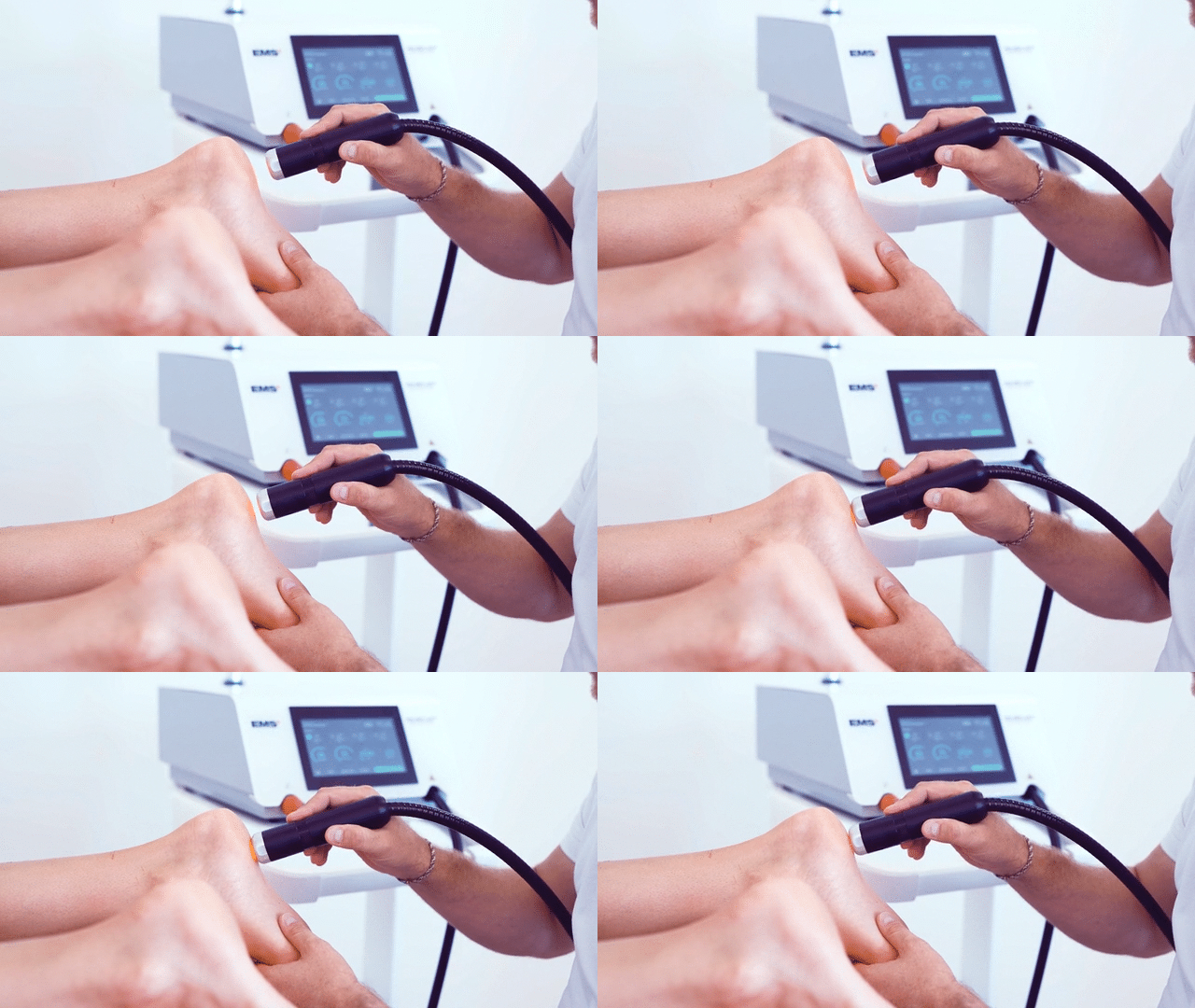
High-power laser therapy works by delivering light energy into tissue, where it interacts with cells involved in recovery and repair processes.
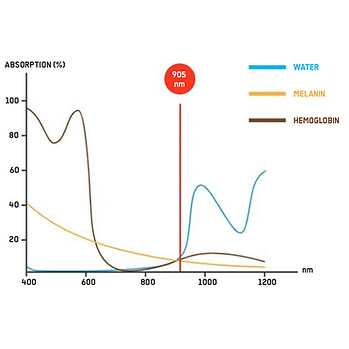
Research suggests photobiomodulation may help stimulate mitochondrial activity within cells, increasing ATP production, the primary energy source required for tissue healing and cellular recovery.
Laser therapy may also influence:
-
circulation and microvascular activity
-
inflammatory signalling pathways
-
local oxygen delivery
-
nerve sensitivity
-
and tissue metabolism
For some people, this may help create a more favourable environment for recovery, particularly where tissues have become irritated, overloaded or slower to adapt efficiently.
In acute presentations, laser therapy may help support early recovery and improve tolerance to movement while tissues remain highly reactive. In more chronic tendon and overload-related conditions, it is commonly integrated alongside EMS shockwave therapy, where improving both tissue recovery and longer-term adaptation are important parts of the rehabilitation process.
At Movement Mechanics, laser therapy is rarely viewed in isolation. Instead, it forms part of a broader rehabilitation strategy designed to support tissue healing, physical capacity and longer-term resilience.

Why Choose EMS DolorClast® High-Power Laser?
Not all laser therapy systems are equal.
We use EMS DolorClast® High-Power Laser, the gold standard in photobiomodulation:
-
905nm pulsed wavelength for optimal depth and safety
-
Clinically validated protocols
-
Designed to integrate with shockwave therapy and manual treatment
-
Used by leading sports medicine and rehabilitation clinics worldwide
At Movement Mechanics, our Clinical Director, Jonathan Hall, is the EMS DolorClast® Key Opinion Leader for Aotearoa, ensuring treatment is delivered at the highest clinical standard.


Where High Power Laser Therapy May Be Helpful
Laser therapy is commonly integrated into care for musculoskeletal conditions where tissues appear irritated, overloaded, or slow to recover.
One of the key differences between laser therapy and shockwave therapy is that laser therapy can often be introduced much earlier in the recovery process, including more acute presentations where tissues remain highly sensitive or reactive.
This may include:
-
recent muscle strains
-
acute sporting injuries
-
joint irritation
-
inflammatory flare-ups
-
tendon pain in earlier stages
-
post-training overload
-
or muscular tension patterns associated with repetitive strain
We also frequently integrate laser therapy into more chronic tendon and overload-related conditions involving:
-
shoulder tendon irritation
-
neck and lower back pain
-
chronic sporting injuries
-
and recurring tendon flare-ups
In these presentations, combining laser therapy alongside EMS shockwave therapy can often help support rehabilitation progression more effectively by addressing both tissue irritability and longer-term tendon adaptation within the same recovery process.
Many people seeking laser therapy have already tried massage, stretching, rest or isolated exercise programs without feeling like the body is recovering or adapting normally again.

Recovery Rarely Depends On One Treatment Alone
Modern musculoskeletal rehabilitation is rarely about applying one modality in isolation.
Tendon irritation, joint pain, muscular overload and recurrent sporting injuries commonly involve a combination of:
-
tissue sensitivity
-
altered stress distribution
-
reduced physical capacity
-
nervous system reactivity
-
recovery inefficiency
-
and adaptation challenges over time
This is why high power laser therapy is commonly integrated alongside osteopathy, rehabilitation and EMS shockwave therapy, depending on the presentation.
For some people, laser therapy helps calm reactive tissues enough to tolerate rehabilitation more comfortably. For others, it supports recovery progression during periods where symptoms remain highly sensitive to physical stress or loading.
Where clinically appropriate, combining laser therapy with shockwave therapy can provide a more comprehensive rehabilitation strategy by supporting both tissue recovery and longer-term tendon adaptation simultaneously.
The broader aim is to help people progressively rebuild confidence in:
-
movement
-
exercise
-
work
-
training
-
and everyday physical activity
without repeatedly cycling through setbacks and irritation.

Common Experiences Before Exploring Laser Therapy
Many people exploring laser therapy describe feeling caught somewhere between recovery and reinjury.
Symptoms may improve temporarily, yet never fully disappear. Some people feel increasingly stiff after training or prolonged sitting. Others notice that activities which once felt routine now trigger irritation much more easily than before.
Common experiences include:
-
pain lingering longer than expected
-
recurring tendon or joint irritation
-
delayed recovery following activity
-
flare-ups during rehabilitation progression
-
sensitivity after periods of inactivity
-
or frustration after trying multiple treatment approaches without lasting improvement
For many, the issue is not simply pain itself, but the feeling that the body is no longer recovering or adapting as efficiently as it once did.

What To Expect From Treatment
Assessment begins with understanding:
-
symptom behaviour
-
aggravating factors
-
recovery patterns
-
activity demands
-
tissue irritability
-
and broader physical stressors influencing recovery
Treatment recommendations are then tailored to the individual presentation and may involve laser therapy, osteopathy, rehabilitation strategies, shockwave therapy or movement modification depending on what is most appropriate.
Some people notice changes relatively quickly, while more chronic presentations often require a longer progression focused on restoring tissue resilience and improving recovery efficiency over time.
The goal is helping the body recover and function more comfortably, not simply masking symptoms temporarily.


An Integrated Recovery Focused Clinical Environment
Movement Mechanics Osteopathy was built around the understanding that recovery is rarely driven by one isolated intervention alone.
Hands on care, tissue loading, rehabilitation, nervous system sensitivity, circulation, recovery management and physical capacity all influence how the body adapts following injury or overload.
Rather than separating these elements into isolated treatment approaches, our clinic integrates them together within a broader evidence based rehabilitation framework.
Movement Mechanics is also one of the few clinics in New Zealand combining EMS DolorClast® High Power Laser Therapy, focused shockwave therapy and radial shockwave therapy within the same movement focused clinical setting.
Many patients seek us out because they are looking for a more considered and modern approach to musculoskeletal rehabilitation, particularly when symptoms have plateaued, repeatedly returned or become increasingly reactive over time.

Laser Therapy vs Shockwave Therapy - What’s the Difference?
While both modalities are highly effective, they work through different biological mechanisms and are often complementary.
-
Shockwave Therapy delivers mechanical energy to stimulate tissue regeneration and pain modulation
-
High Power Laser Therapy delivers light energy to influence cellular metabolism, inflammation, and neural sensitivity
In clinical practice, laser therapy is particularly useful where pain sensitivity, inflammation, or nerve involvement limits tolerance to mechanical loading. Shockwave therapy may be preferred where tissue remodelling and mechanotransduction are the primary goals. At Movement Mechanics, we select - or combine - modalities based on clinical presentation, stage of healing, and patient response.

Considering High Power Laser Therapy?
If pain, tissue irritation or recurring musculoskeletal symptoms are affecting training, recovery or everyday activity, the first step is understanding what may be contributing to the problem and whether laser therapy may be appropriate within a broader rehabilitation approach.